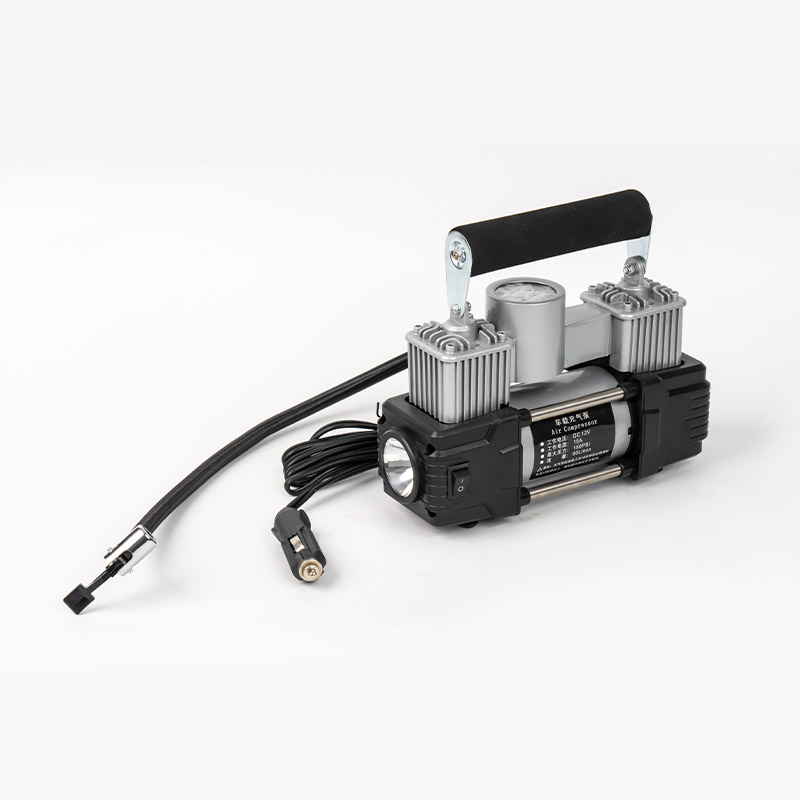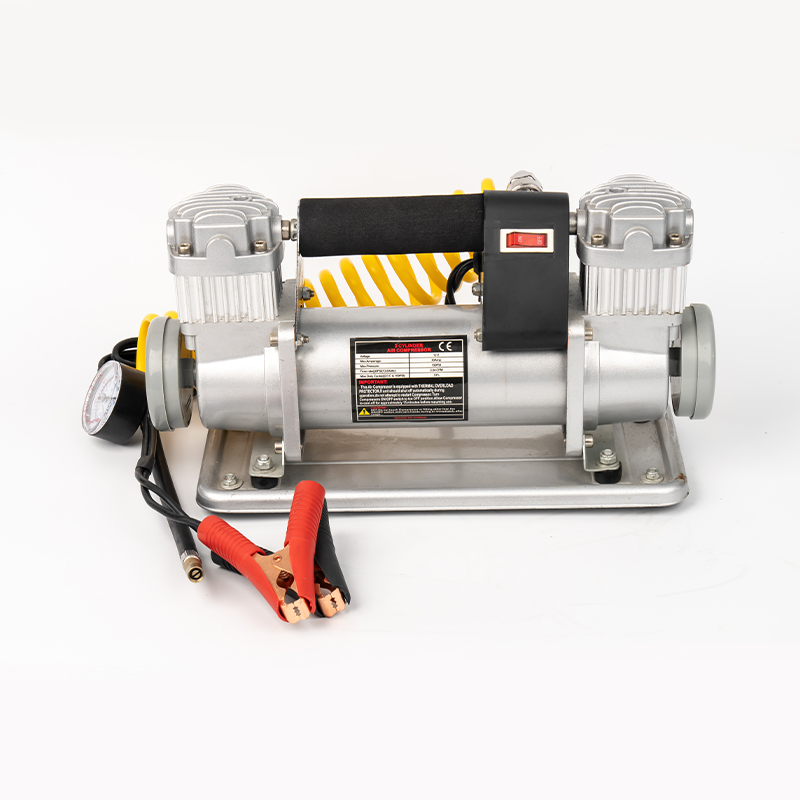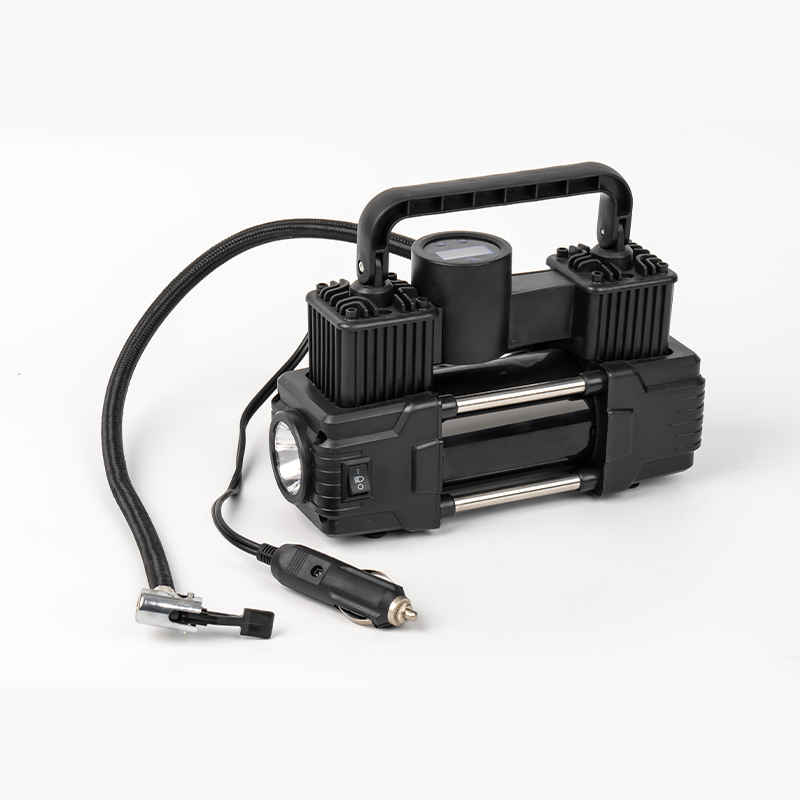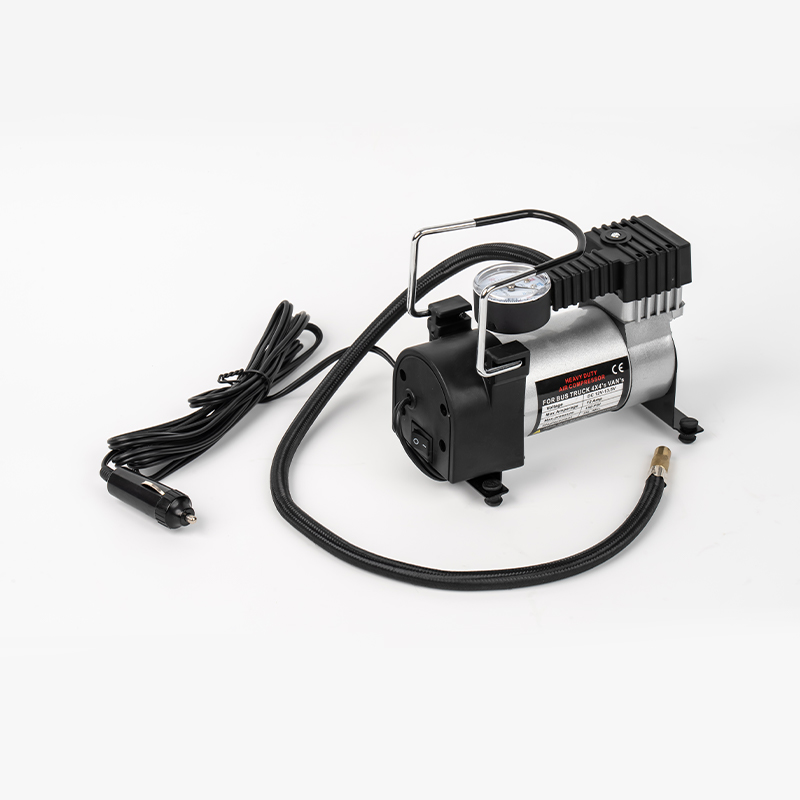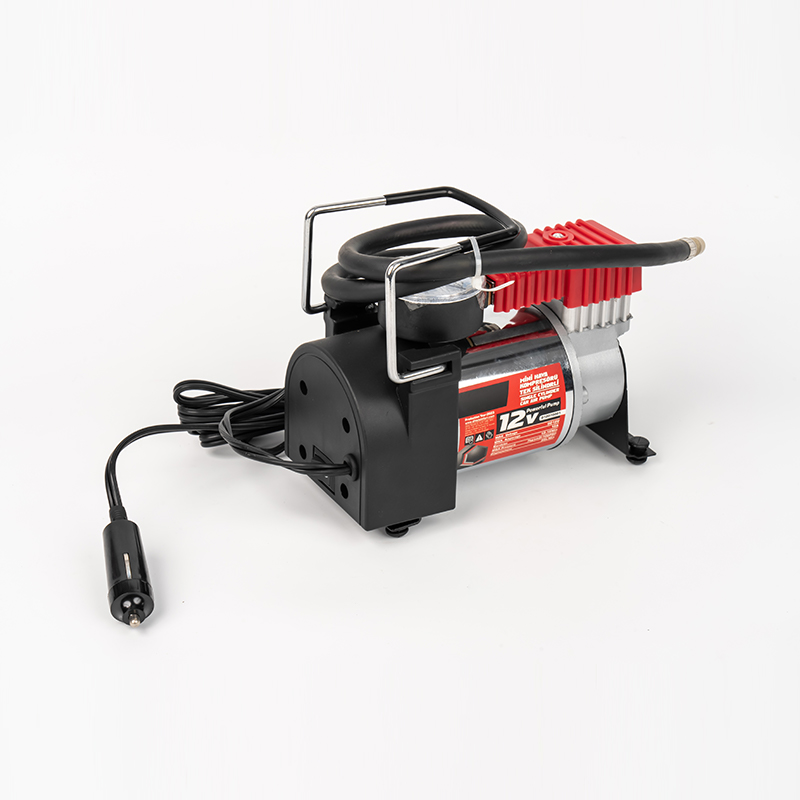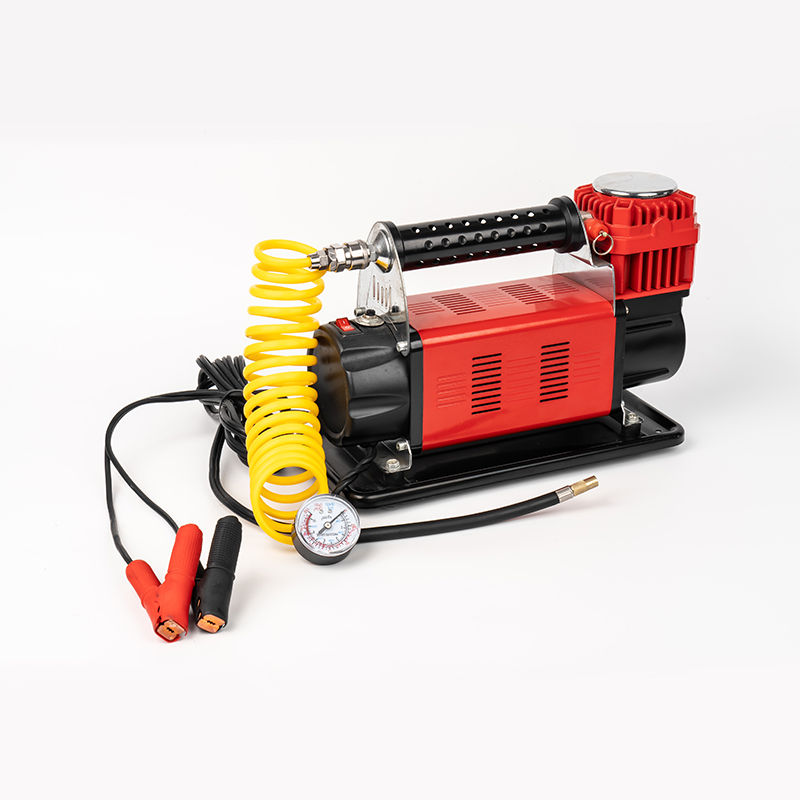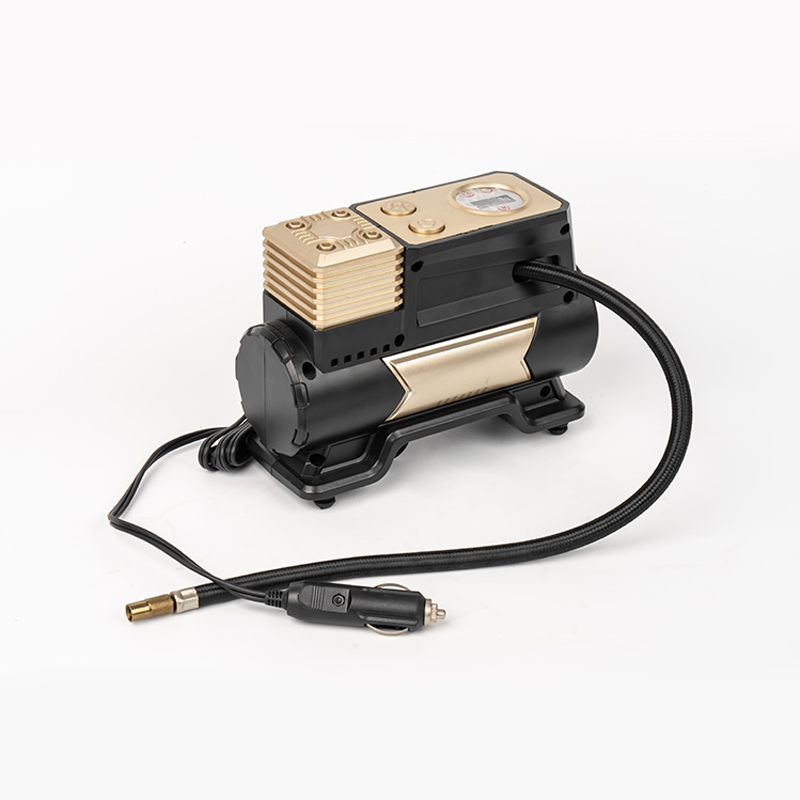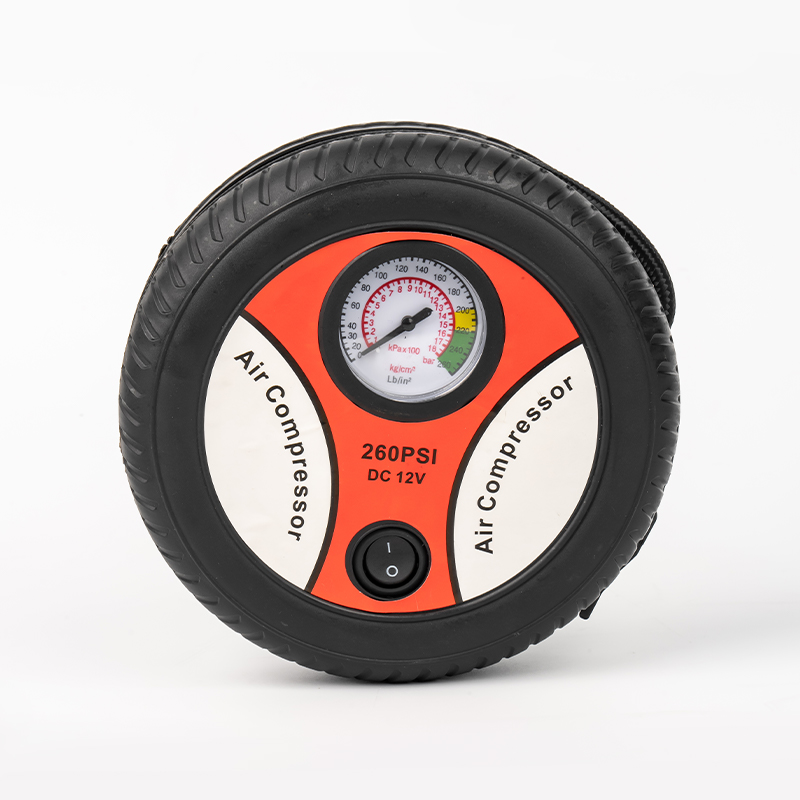
A vehicle air pump is one of the most underrated yet essential tools every driver should carry. It directly impacts road safety, tire longevity, and fuel economy. According to the National Highway Traffic Safety Administration (NHTSA), underinflated tires contribute to approximately 11,000 crashes and 200 fatalities annually in the United States. A reliable portable tire inflator allows you to maintain correct tire pressure at all times, reducing blowout risks by up to 75% based on Rubber Manufacturers Association findings. This guide delivers a thorough, data-backed exploration of vehicle air pump types, selection criteria, practical applications, and maintenance routines—everything you need to make an informed decision.
What Is a Vehicle Air Pump and How Does It Work
A vehicle air pump is a compact, electrically powered device designed to inflate tires by compressing ambient air and forcing it into the tire chamber. The core mechanism relies on a piston-driven compressor that generates pressurized airflow measured in pounds per square inch (PSI). Most modern units connect to a vehicle's 12V DC auxiliary power outlet, drawing between 8 and 15 amps depending on the model. Direct-drive motor configurations dominate the market because they deliver faster inflation speeds with fewer moving parts compared to older belt-driven designs.
The inflation cycle begins when the motor activates a reciprocating piston inside a sealed cylinder. As the piston moves downward, it creates a vacuum that draws ambient air through an intake valve. The upward stroke compresses this air and forces it through a high-pressure hose connected to the tire valve stem. An integrated air pressure gauge—either analog or digital—provides real-time PSI readings, allowing precise control. Quality car air pump units incorporate thermal overload protection that automatically shuts off the motor when internal temperatures exceed safe thresholds, typically around 85°C to 95°C.
Key components include the compressor head assembly, a durable reinforced rubber air hose, a brass or stainless steel valve connector, and the control interface. Higher-tier digital air pump variants feature preset pressure auto-stop functions that halt inflation precisely at the user-defined PSI value, eliminating the risk of overinflation. The power delivery system varies: corded models rely entirely on the vehicle's electrical system, while cordless versions use lithium-ion battery packs ranging from 2000mAh to 6000mAh capacity, offering 20 to 45 minutes of continuous operation on a full charge.
Types of Vehicle Air Pumps: A Comprehensive Comparison
The market splits primarily into two categories—12V corded air pump models and cordless tire inflator units—each with distinct advantages and limitations. Corded versions deliver consistent high power without battery depletion concerns, making them ideal for frequent use and larger tires. Cordless models prioritize portability and convenience, operating independently of the vehicle's position. Within these categories, further differentiation occurs based on gauge type, duty cycle rating, and maximum pressure capability. The following table provides a direct feature comparison to clarify the distinctions.
| Feature | 12V Corded Air Pump | Cordless Tire Inflator | Heavy-Duty Dual-Cylinder Pump |
|---|---|---|---|
| Power Source | Vehicle 12V socket | Rechargeable lithium battery | Vehicle 12V socket or alligator clamps |
| Max Pressure (PSI) | 100 to 150 PSI | 80 to 120 PSI | 150 to 200 PSI |
| Typical Duty Cycle | 15 to 30 minutes continuous | 8 to 15 minutes per charge cycle | 30 to 60 minutes continuous |
| Inflation Speed (0-35 PSI) | 2.5 to 4 minutes | 4 to 7 minutes | 1 to 2.5 minutes |
| Portability | Moderate (cord length dependent) | Excellent (no wires) | Low (bulkier, heavier) |
| Best For | Daily commuters, sedans | Motorcycles, bicycles, emergency kits | SUVs, trucks, off-road vehicles |
Table: Comparison of three primary vehicle air pump categories based on power source, performance metrics, and ideal use cases.
Analog gauge tire inflator models rely on a mechanical needle display with typical accuracy within ±2 PSI. Digital versions employ electronic pressure sensors offering precision within ±0.5 PSI, a meaningful advantage when inflating low-profile performance tires that demand exact pressures. Data from tire industry testing indicates that a mere 3 PSI underinflation increases rolling resistance by approximately 6%, accelerating tread wear unevenly across the tire shoulders.
How to Choose the Right Vehicle Air Pump: Key Selection Criteria
Selecting the best vehicle air pump requires evaluating four measurable parameters—maximum pressure rating, airflow rate measured in cubic feet per minute (CFM), duty cycle duration, and gauge accuracy—against your specific vehicle requirements. A mismatch in any of these areas leads to either inadequate inflation performance or premature equipment failure. The U.S. Department of Energy reports that properly inflated tires improve gas mileage by up to 3%, which translates to roughly $0.12 per gallon saved at current average fuel prices. Over a year of driving 12,000 miles, that equates to approximately $50 to $70 in fuel savings for a typical sedan.
Maximum Pressure Rating (PSI)
The PSI ceiling must exceed your highest required tire pressure by at least 20% to ensure the pump operates without strain. Passenger car tires typically require 30 to 35 PSI, SUV and light truck tires range from 35 to 45 PSI, and heavy-duty truck tires may demand 60 to 80 PSI. Selecting a high-pressure air pump rated at 120 PSI or above provides a comfortable margin for most non-commercial vehicles. Units struggling near their maximum rated pressure generate excessive heat, which degrades internal seals and shortens service life significantly.
Airflow Rate (CFM) and Inflation Speed
CFM directly determines how quickly a vehicle air pump inflates a tire. Entry-level units deliver approximately 0.5 to 1.0 CFM at 35 PSI, requiring 5 to 8 minutes to bring a standard 205/55R16 tire from 20 PSI to 35 PSI. Mid-range portable air compressor models produce 1.2 to 1.8 CFM, cutting inflation time to 3 to 5 minutes. Premium dual-cylinder designs achieve 2.0 to 2.5 CFM, inflating the same tire in under 3 minutes. For a full-size SUV tire (265/65R17) requiring 40 PSI, the time difference between a 0.8 CFM pump and a 2.0 CFM pump exceeds 10 minutes per tire.
Duty Cycle and Thermal Management
Duty cycle defines the continuous runtime a pump can sustain before requiring a cooldown period. A unit rated at 30% duty cycle can run for 9 minutes within a 30-minute window before internal components risk heat damage. High-quality 12V air compressor models achieve 50% to 100% duty cycles, enabling uninterrupted inflation of all four tires. Aluminum heat sinks and built-in cooling fans extend duty cycle capacity by dissipating heat 30% to 40% faster than uncooled designs, based on thermal imaging studies of compressor head temperatures during sustained operation.
Gauge Accuracy and Auto-Stop Precision
Digital gauges with auto-stop air pump functionality reduce the risk of overinflation by 90% compared to manual monitoring alone. A 2023 survey of roadside assistance data from AAA indicated that approximately 14% of tire-related service calls involved overinflated tires, which create a smaller contact patch and increase susceptibility to impact damage. Preset auto-stop systems eliminate this variable entirely. Look for gauges with a stated accuracy of ±1 PSI or better. Analog needle gauges, while durable, lose calibration over time—industry testing shows drift of 1 to 3 PSI after 500 inflation cycles.
Additional Practical Features to Consider
- LED flashlight integration — Essential for nighttime roadside inflation; 200+ lumen output is preferable for adequate visibility at 10 feet.
- Multiple nozzle adapters — Enables inflation of bicycle tires, sports balls, air mattresses, and inflatable kayaks, expanding utility beyond automotive use.
- Carry case with organized storage — Prevents hose kinking and connector damage during trunk storage, preserving seal integrity.
- USB charging ports — Some cordless models double as power banks, providing emergency phone charging capability.
- Memory presets — Store frequently used PSI values for quick one-touch inflation without repeated manual adjustment.
Practical Applications and Real-World Scenarios
A vehicle air pump proves its value across diverse driving conditions, from routine pressure top-offs to emergency roadside repairs. The following ordered list captures the most common and critical use cases ranked by frequency based on driver survey data.
- Seasonal temperature compensation — Tire pressure drops approximately 1 PSI for every 10°F decrease in ambient temperature. In regions experiencing 40°F seasonal swings, this means a 4 PSI loss requiring correction four times per year at minimum.
- Slow leak management — A nail puncture causing a 2 PSI daily loss allows continued driving if topped up regularly, buying time to reach a repair shop without installing the spare tire. This scenario accounts for roughly 30% of roadside portable tire inflator usage according to roadside assistance data.
- Off-road tire pressure adjustments — Off-road driving often requires airing down to 15 to 20 PSI for increased traction on sand or rocks, then re-inflating to highway pressures before returning to paved roads. A heavy-duty air pump with high CFM is indispensable for this task.
- Post-spare-tire installation — Compact spare tires require 60 PSI, far higher than standard passenger tires. A capable car air pump ensures the spare is ready when needed.
- Multi-vehicle fleet maintenance — Households with multiple cars, motorcycles, and trailers benefit from a single versatile vehicle air pump serving all inflation needs.
Safety Guidelines for Operating a Vehicle Air Pump
Following a structured safety protocol during vehicle air pump operation prevents equipment damage and personal injury. Thermal events, though rare, can occur when duty cycle limits are ignored. A study of consumer product incident reports filed with the Consumer Product Safety Commission between 2018 and 2023 documented 47 incidents involving portable inflator overheating, all of which involved continuous operation beyond the manufacturer's stated duty cycle. The guidelines below are organized by phase.
- Pre-inflation checks: Verify the valve stem is free of debris and corrosion. Inspect the air hose for cracks or bulges. Confirm the tire pressure gauge reads zero before connecting to avoid false baseline readings.
- During operation: Keep the pump on a stable, flat surface away from flammable materials. Never leave an operating electric air pump unattended. Monitor the hose connection point for hissing sounds indicating air leakage. Touch the compressor housing periodically—if it becomes too hot to hold for 5 seconds, stop and allow a 10-minute cooldown.
- Post-inflation: Disconnect the valve connector slowly to minimize pressure shock to the Schrader valve core. Recheck pressure with a separate gauge for verification. Store the pump in a dry location to prevent internal corrosion of electrical contacts.
Maintenance and Longevity Practices
Regular maintenance extends a vehicle air pump's service life from an average of 3 years to beyond 7 years according to durability testing data from independent product review laboratories. The most critical maintenance action—cleaning the intake air filter—is also the most frequently overlooked. A clogged filter forces the motor to work harder, increasing amp draw by 15% to 25% and accelerating brush wear in brushed motor designs.
Key maintenance tasks, performed every 3 months or 50 inflation cycles, should include:
- Remove and wash the foam intake filter with mild soap and water, allowing it to dry completely before reinstallation.
- Inspect the power cord for fraying, especially near the strain relief where the cord enters the housing.
- Apply a small drop of silicone lubricant to the valve connector threads to prevent seizing on the tire valve stem.
- Test the air pressure gauge against a known calibrated reference gauge to detect calibration drift.
- For cordless models, perform a full discharge-recharge cycle to maintain battery health and accurate charge level reporting.
Frequently Asked Questions About Vehicle Air Pumps
How often should I check my tire pressure with a vehicle air pump?
Tire pressure should be checked at least once per month and before every long-distance trip. The U.S. Department of Energy recommends monthly checks because tires naturally lose 1 to 2 PSI per month through permeation. A vehicle air pump makes these routine checks convenient at home, eliminating the need to visit a service station.
Can a vehicle air pump inflate a completely flat tire?
Most portable air compressor units can inflate a completely flat passenger car tire from 0 PSI to 35 PSI in 5 to 10 minutes, provided the tire is properly seated on the rim bead. If the tire has separated from the rim, a high-volume blast of air—typically from a compressed air tank or a high-CFM shop compressor—is required to reseat the bead before the vehicle air pump can complete inflation.
What is the difference between a digital and analog gauge on an air pump?
Digital gauges use electronic pressure transducers with ±0.5 PSI accuracy and offer preset auto-stop functionality. Analog gauges rely on a mechanical Bourdon tube with ±2 PSI accuracy and require manual shutoff. Digital air pump gauges maintain calibration longer but depend on battery power; analog gauges never need batteries but drift over hundreds of cycles and are harder to read in low light.
Is a cordless tire inflator powerful enough for SUV tires?
Higher-end cordless tire inflator models with 20V battery platforms and brushless motors can inflate SUV tires to 40 PSI, typically in 6 to 10 minutes per tire. However, battery capacity limits total inflation volume—a 4000mAh battery may inflate two to three SUV tires on a single charge. For all four tires of a full-size SUV after off-road air-down, a 12V air compressor with a vehicle-powered supply is more practical.
How do I know when my vehicle air pump needs replacement?
Signs include noticeably longer inflation times (more than 50% increase versus original performance), excessive vibration indicating worn piston rings or bearings, inability to reach rated pressure, and electrical symptoms such as flickering lights or blown fuses during operation. Most vehicle air pump units designed for consumer use have a service life of 300 to 500 inflation cycles under normal operating conditions. When replacement becomes necessary, selecting a model with brushless motor technology can extend the next unit's lifespan by 2 to 3 times compared to brushed motor alternatives.
Conclusion: The Undeniable Value of a Reliable Vehicle Air Pump
A quality vehicle air pump is not an accessory—it is an essential piece of safety equipment with a measurable return on investment. The combination of crash risk reduction, fuel savings, and tire longevity improvements delivers value far exceeding the typical $30 to $80 purchase price. Data from the NHTSA, Department of Energy, and independent tire research collectively demonstrate that maintaining correct tire pressure through regular use of a portable tire inflator saves lives, money, and time. Whether choosing a corded 12V air compressor for maximum reliability or a cordless tire inflator for unmatched convenience, the key is consistent use and proper maintenance. Every driver should have one in their vehicle, ready for the moment it is needed.